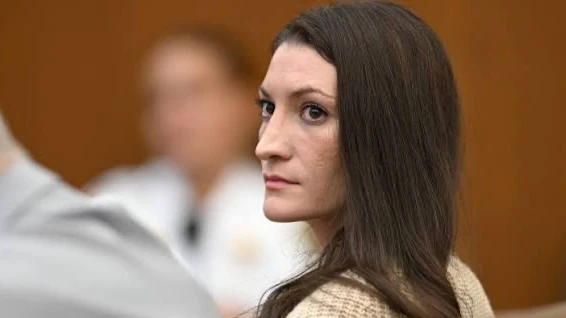

Update (August 28, 2026): Jurors in the Lindsay Clancy murder trial have entered their second day of deliberations in Plymouth County, Massachusetts. The jury must decide unanimously between five possible outcomes: guilty of first-degree murder, guilty of second-degree murder, guilty of manslaughter, not guilty, or not guilty by reason of lack of criminal responsibility. Jurors asked at least one question during Friday morning deliberations. No verdict has been reached as of this update.
If convicted of first-degree murder, Clancy faces life in prison without the possibility of parole. If found not criminally responsible, she will be committed to a state psychiatric hospital.
The Trial
The trial of Lindsay Clancy, the Massachusetts mother accused of killing her three children in January 2023, has ignited an international conversation about maternal mental healthcare as millions follow the proceedings in real time and social media theories about the case reach a fever pitch.
Clancy, now 36, a former labor and delivery nurse, has pleaded not guilty by reason of lack of criminal responsibility. She has admitted to the killings but maintains she was not criminally responsible due to severe postpartum psychosis exacerbated by rapid medication changes in the weeks leading up to the tragedy. She did not testify during the month-long trial.
What Happened In Court
The trial spanned 22 days with both prosecution and defense presenting radically different narratives about what happened and why. Prosecutors argued the act was deliberate, premeditated, and planned while her husband was out of the house running an errand she specifically requested. They said she was aware of her actions and made conscious choices throughout.
The defense centered its entire case on severe postpartum mental illness exacerbated by rapid medication changes. Defense attorneys argued Clancy was failed by a healthcare system that prescribed, adjusted, and switched multiple psychiatric medications in a short window without adequate monitoring of her deteriorating mental state.
According to testimony, Clancy had sought treatment from multiple providers in the months before the killings and was prescribed various drugs. The defense argued the system acknowledged her concerns and adjusted medications but failed to provide the intensive monitoring that such rapid changes required.
The Social Media Firestorm
Viewers following the trial on social media have split into sharply divided camps, and the debate has grown more intense as the trial approaches its conclusion. One side argues the case exposes catastrophic failures in how the American medical system treats postpartum mental health crises, particularly around medication management, provider follow-up, and the dismissal of warning signs reported by patients themselves.
The other side rejects the mental health framing entirely, viewing it as an attempt to excuse acts that nothing can justify regardless of the defendant's mental state. This camp argues that millions of women experience postpartum depression without harming their children, and that using mental illness as a defense disrespects both the victims and other mothers struggling with similar conditions.
A TikToker was also questioned during the trial without jurors present, after which the judge ruled the defense could not call her as a witness, highlighting how social media has intersected with the legal proceedings in unprecedented ways.
The Five Verdict Options
The jury is weighing charges of first-degree murder involving deliberate premeditation and extreme atrocity, with the option to consider lesser manslaughter charges. The five possible verdicts give the jury significant room to weigh the mental health evidence against the prosecution's case for premeditation:
1. Guilty of first-degree murder (life without parole)
2. Guilty of second-degree murder
3. Guilty of manslaughter
4. Not guilty
5. Not guilty by reason of lack of criminal responsibility (commitment to psychiatric facility)
What Comes Next
Deliberations will continue until the jury reaches a unanimous decision. The case has already forced a public reckoning with how America handles maternal mental health regardless of what the verdict ultimately is. Advocates for reform point to Clancy's well-documented history of seeking help repeatedly in the weeks before the tragedy as evidence that the system failed at every level.
This is a developing story. TTL will update when a verdict is reached.