


Rick Ross caught a major break in his Miami case on Friday. Prosecutors dropped the felony battery by strangulation charge against the rapper, citing insufficient evidence to move forward with that count.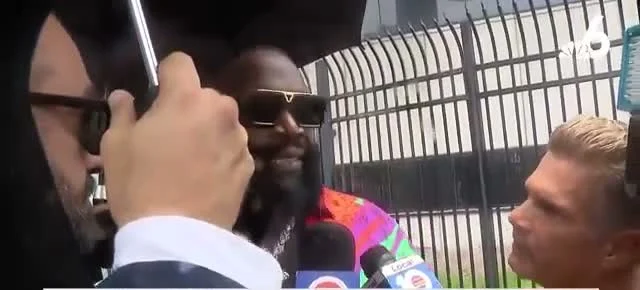
Ross pleaded not guilty. Two misdemeanor battery charges remain in the case, and he was arraigned on Friday without physically appearing in court.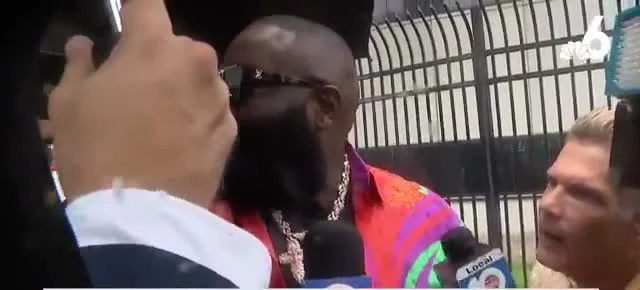 The felony count was the most serious charge he faced in the case, so Friday's move changes the shape of the fight ahead. The Talk Lounge will follow the misdemeanor case as it moves. For Ross, the dropped count removes the heaviest exposure in the case, though the two remaining misdemeanor counts still have to play out in court. A not guilty plea means the defense will contest those counts rather than accept them, and future court dates will set the pace from here. Cases like this often turn on what prosecutors can prove and what evidence holds up, which is why a count can fall away even while other counts move forward. Friday's move does not end the case, it narrows it, and the decision gives Ross a clear win on the most serious allegation while leaving the rest of the matter unresolved. The Talk Lounge will keep readers posted as the misdemeanor case develops.
View this post on Instagram
What Comes Next
Friday's decision changes the shape of the case without ending it. The felony count carried the most serious exposure, and with that count gone, the remaining fight centers on the two misdemeanor counts. A not guilty plea puts the burden on prosecutors to prove those counts in court, and the defense will have its chance to challenge the evidence at each step. Court dates from here will set the schedule, and each hearing can narrow or expand what remains in dispute. For readers following the case, the key questions now are how the misdemeanor counts move forward and whether prosecutors press ahead or resolve them another way. Ross has not spoken publicly about the dropped count in the material reviewed here, and the case file will tell the next part of the story as dates are set. Counts can fall away for many reasons, and insufficient evidence is among the most common. Prosecutors review what they can prove before a case moves forward, and when the evidence does not support a count, they can drop it while keeping the rest of the case intact. That kind of decision does not mean the remaining counts disappear, and it does not settle the questions a court still has to answer. It simply narrows the case to what prosecutors believe they can support. For a public figure, that narrowing still leaves a court fight ahead, with hearings, filings and appearances shaping the timeline. Fans and followers often read a dropped count as a full win, but the docket tells a more measured story, and the misdemeanor counts will decide how this chapter closes. The Talk Lounge will keep following the misdemeanor case and will update readers when the court takes its next step.


