Hollywood is on the brink of a seismic shift. The actors union is making waves with a daring and potentially transformative demand: a Tilly Tax on AI-generated film characters. This historic bargaining move could fundamentally alter the landscape of how movies and television shows are conceived, produced, and experienced by audiences worldwide.
The concept of the Tilly Tax was first brought to the public's attention by reputable sources such as Fortune and Bloomberg. They reported that the proposal would require studios to pay a fee each time they opted for an AI-generated character instead of hiring a human actor. Named after an idea circulating within entertainment labor circles, the Tilly Tax represents the most assertive stance taken by any union against the encroachment of AI in the industry.
The Genesis of the Tilly Tax
The origins of the Tilly Tax can be traced back to growing concerns within the acting community. With advancements in AI technology, the industry has seen a surge in the use of digital characters that can mimic human expressions, voices, and even emotions. To some, it feels like a glimpse into a dystopian future where technology replaces irreplaceable human talent.
The actors union argues that if studios choose to eliminate jobs through technological means, they should at least contribute financially to a fund that supports displaced workers. This fund aims to protect the livelihoods of those who might find themselves edged out by digital counterparts.
Studios' Counterarguments
Predictably, major studios are pushing back against the proposal. They maintain that AI is a tool that enhances rather than replaces storytelling. The studios argue that imposing a tax on innovation could stifle creativity and put American entertainment at a competitive disadvantage on the global stage.
This debate is not isolated to the entertainment industry. It echoes similar conversations occurring across various sectors where AI is rapidly altering the nature of work. However, Hollywood holds a unique position because its product, the stories, the emotions, the drama, is deeply human. Audiences form profound connections with the performers they watch, and studios risk losing that allure if they lean too heavily on artificial substitutes.
Potential Impacts on the Industry
If adopted, the Tilly Tax could serve as a blueprint for other industries grappling with AI displacement. The outcome of the negotiations is being closely monitored by labor unions, tech companies, and policymakers worldwide. They see this as a potential precedent for how to handle AI's impact on employment across various sectors.
The implications for actors are immense. On the one hand, it could safeguard the artistry and irreplaceable value of human performance. On the other, it could create new opportunities for those who wish to blend traditional acting with digital innovation, much like how actors already embrace CGI and motion capture technologies.
What Lies Ahead
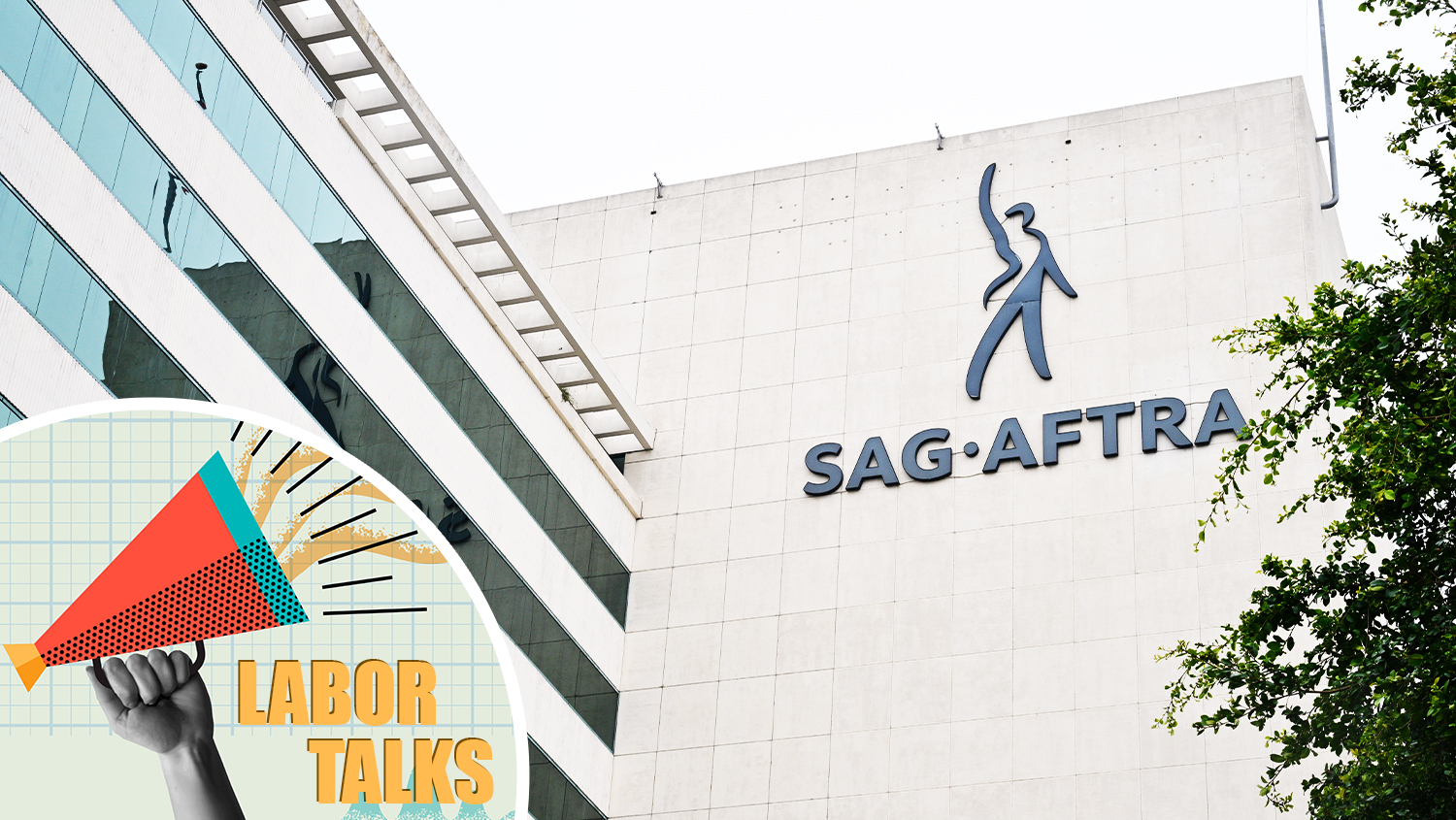
As negotiations continue, both the actors union and major studios are entrenched in their positions. The outcome remains uncertain, but one thing is clear: the entertainment world is watching with bated breath. Fans who care about the future of entertainment and the preservation of authentic acting performances are closely following updates from SAG-AFTRA and industry publications.
For actors like Emma Stone and Leonardo DiCaprio, who have dedicated their lives to perfecting their craft, this debate strikes at the core of their profession. Will technology complement their talents, or will it pose an existential threat? Such questions are at the heart of this historic move.
The question is not just about economics; it's about the soul of storytelling. Who do we want to see on our screens, and how much are we willing to invest in preserving the human element?
The Tilly Tax is more than just a financial proposal. It is a bold stand for the value of human creativity in an increasingly digital world. As this saga unfolds, it invites us all to consider what kind of future we want for entertainment, and for the artists who bring it to life.